Improving pedestrian infrastructure with 3-1-1
- Applied analysis
- Workshop
- Civic tech
- Led volunteers to identify and request evaluations for 23 high-risk crosswalk locations in Austin
- Successfully facilitated the installation of PHB's at three critical sites
- Highlighted the need for a more automated and proactive assessment process for pedestrian safety improvements
How a few hours of data analysis and teaching a workshop made 3 streets safer for pedestrians
Context
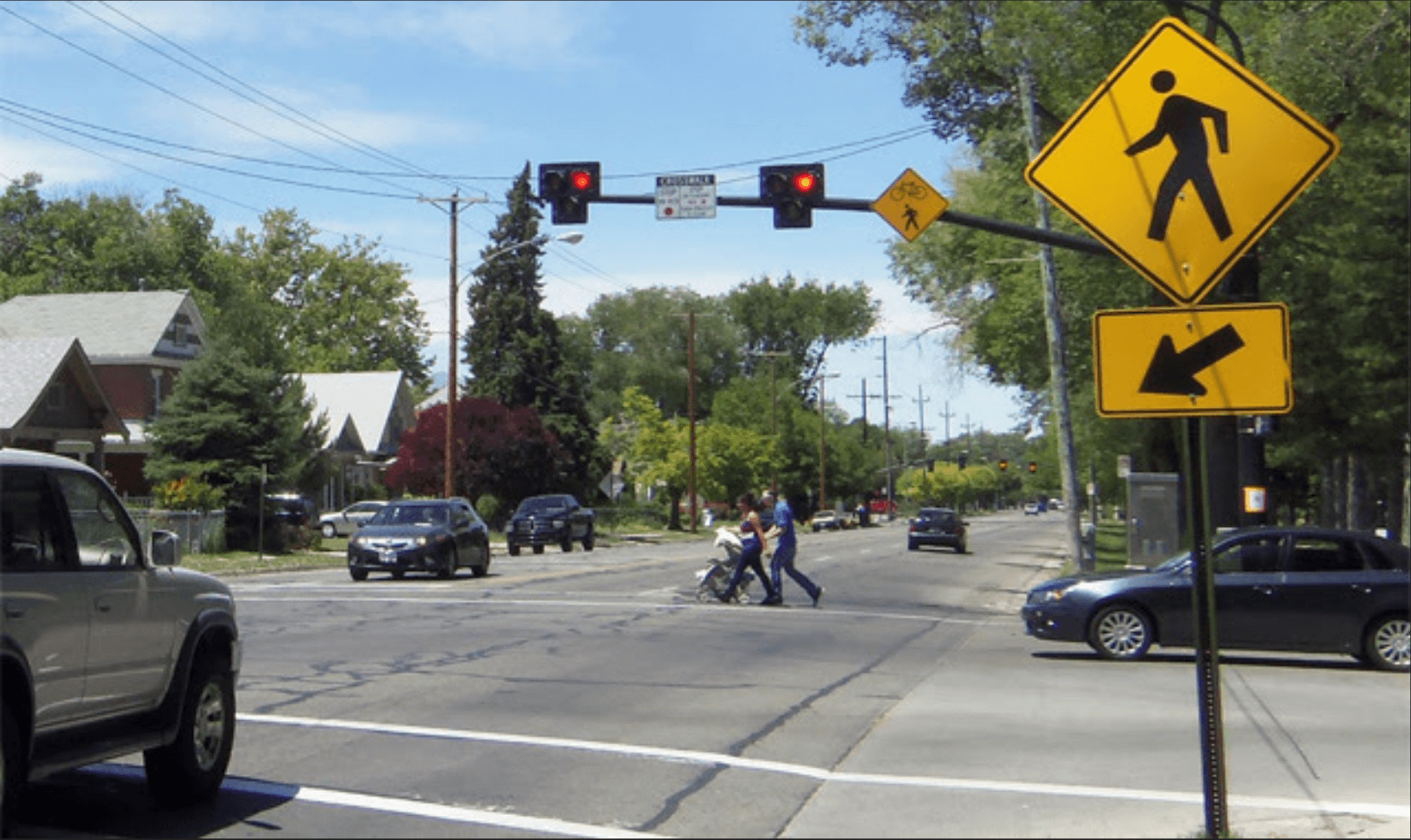
Pedestrian Hybrid Beacons (PHB's) are traffic control devices aimed at improving pedestrian safety at crosswalks, significantly reducing pedestrian-related crashes. In Austin, the process for installing PHB's involves public requests via the city's 3-1-1 service, followed by evaluations and prioritization based on specific criteria. As part of an advocacy project, I led Vision Zero ATX volunteers to identify and get PHB's installed at three high-risk locations, demonstrating the potential of civic reporting tools and highlighting the need for a more automated and proactive assessment process.
Process
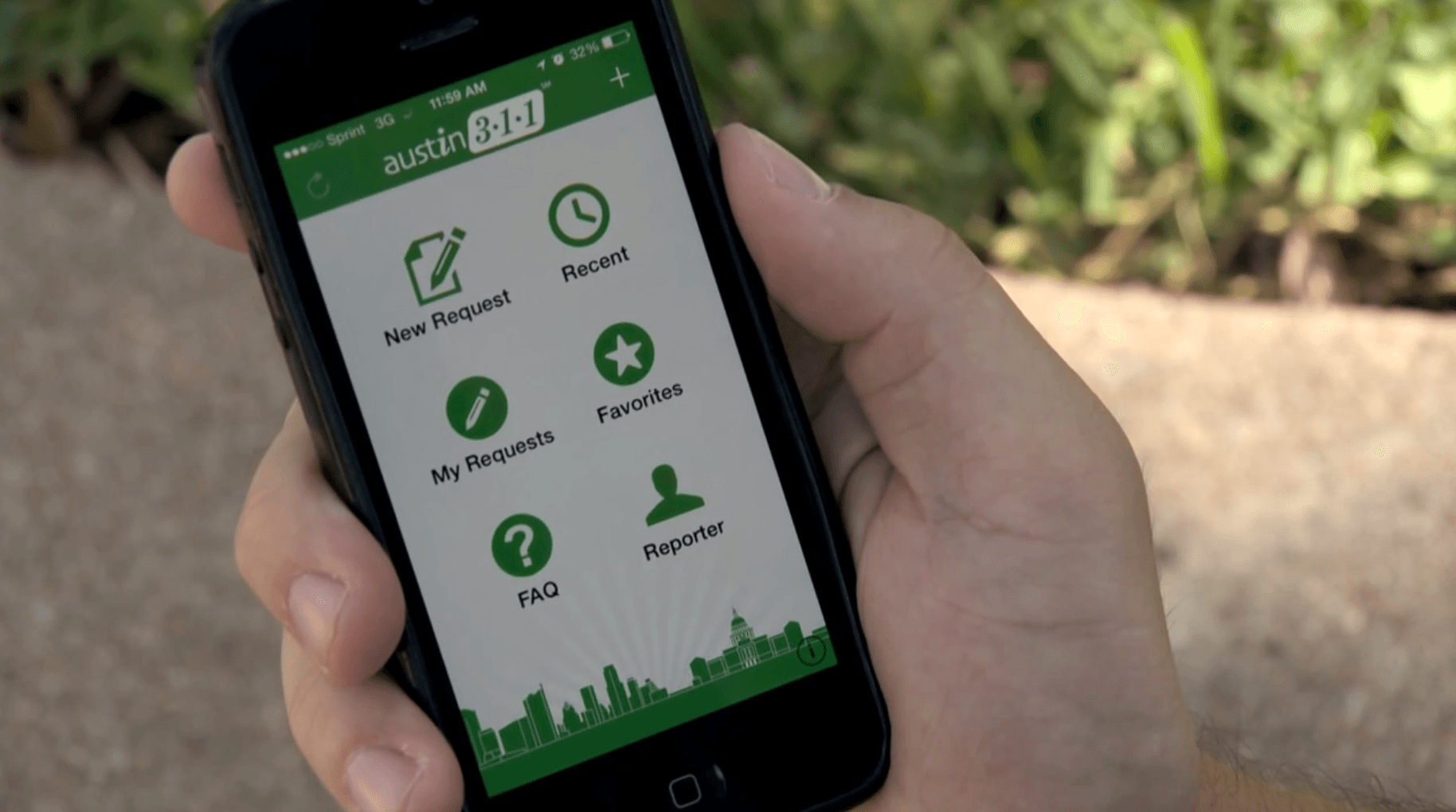
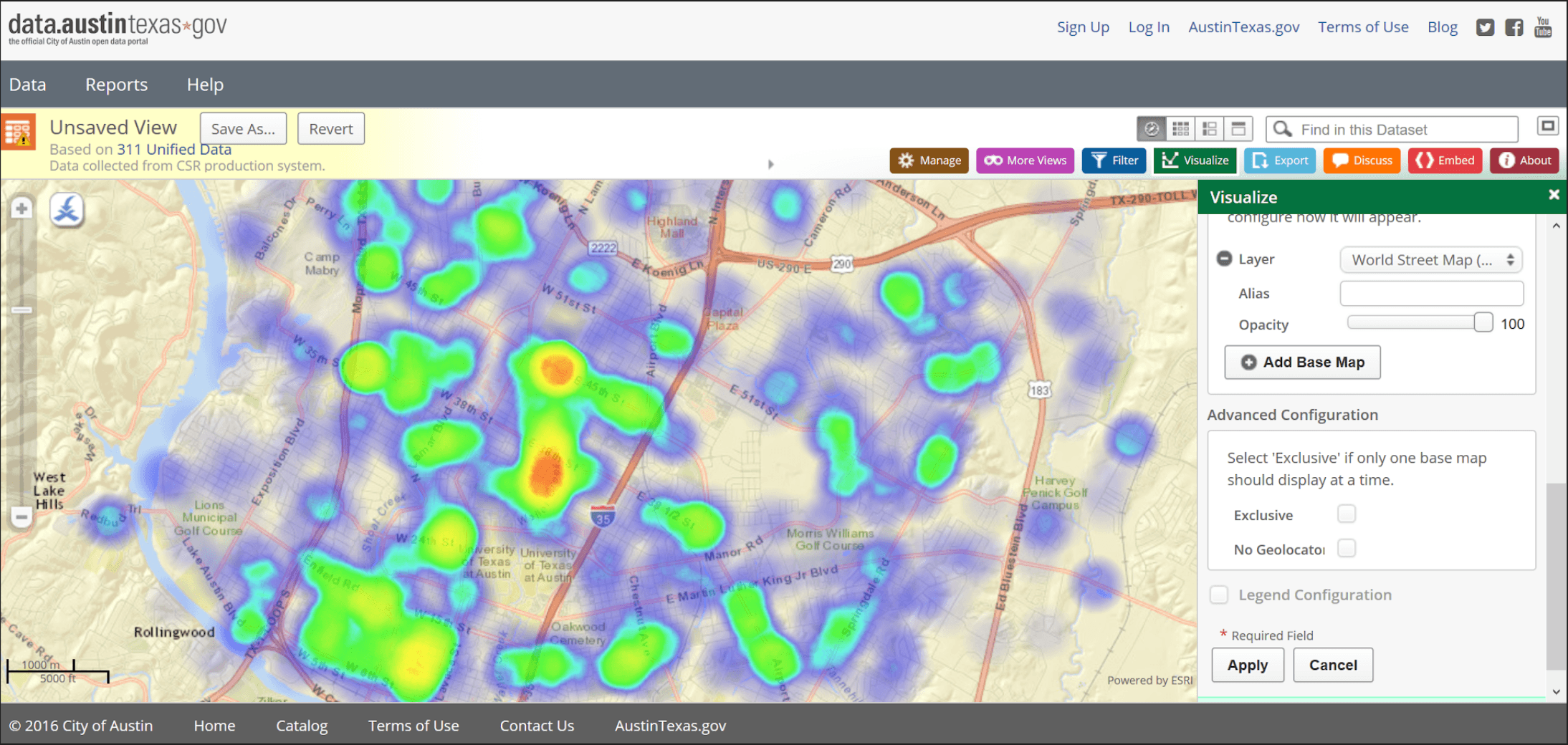
As board chair for Vision Zero ATX, I wanted to teach community members how to use civic reporting tools for advocacy. And where pedestrian / driver interactions had turned deadly in the prior year, I wanted to make sure these sites were evaluated for improved crossing infrastructure. Since PHB installations require a 3-1-1 request, I decided to use data that I'd collected for a mapping project covered by the local NPR affiliate to identify locations without safe crossing infrastructure.
Outcome
Out of the 23 locations we requested an evaluation for PHB placement, 3 were ultimately determined to meet the criteria and PHB's were constructed:
What I would do differently next time
This project was primarily meant to teach volunteers how to use the 3-1-1 system to advocate for their needs to city government. While I was able to leverage data to make sure this exercise would be both educational and impactful, I think we could’ve had a bit greater impact by advocating for the city to automate their methods so that (1) the process to initiate an assessment wouldn't be dependent on specific requests from the public and so that (2) the assessment process itself could help transportation engineers know the most impactful sites ahead of time.